We all eventually ponder what happens when life ends, but death isn’t exactly a topic for a dinner table discussion.
Many people find cremation to be enigmatic or even frightening. The problem is that ignorance of the truth is the main source of that anxiety.
Demystifying cremation is the goal of Lauren, a former funeral home employee with over 2.5 million TikTok followers (@lovee.miss.lauren). She has personally witnessed the inquiries that individuals are afraid to make. She doesn’t hesitate to respond to them.
How to be sure the ashes belong to your loved one
The most prevalent worry? “How can I be certain that the ashes I receive are those of my loved one?” According to Lauren, each body that is brought to a crematory is identified by a metal ID plate.
Throughout the cremation process, this plate remains with the body. Families are then given a cremation certificate with the individual’s name and registration number, and the ashes are sealed with the appropriate identification.
The strange inquiries are genuine.
Yes, strange questions are asked, such as “What happens if a woman passes away during her period?” Lauren verifies that proper procedures are followed, such as removing tampons in the event of an autopsy or embalming. Everything is carried out with respect, decency, and—most importantly—the family’s approval.
Coffins are thoroughly examined for anything that cannot be burned, such as pacemakers, which might detonate in extreme heat, according to Louise Singer, manager of Bramcote Bereavement Services in the UK. Respect and safety are inextricably linked.
How about the soul?
This is where things get very personal, and everything is shaped by beliefs.
The afterlife is viewed differently by various spiritual traditions and religions.
1. An avenue to the next reality
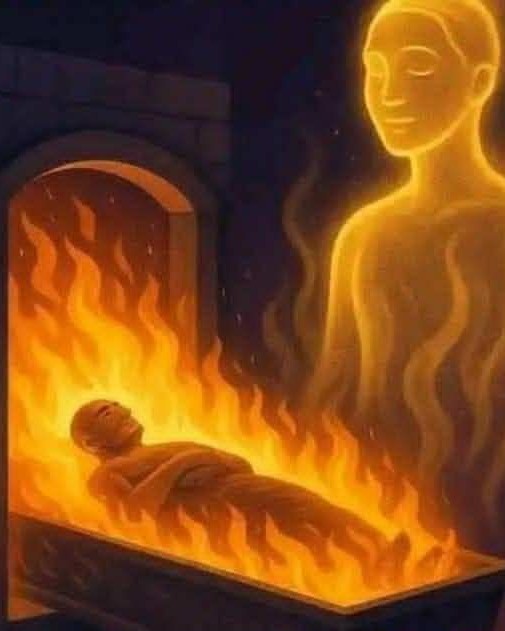
Cremation is common in Hinduism. The soul, which is thought to be everlasting, departs from the body and proceeds to the next life. The soul can separate and continue its journey with the aid of fire, which is sacred.
Cremation is therefore a spiritual rite that aids the soul in moving on to the next phase of its journey rather than merely being a means of getting rid of the body.
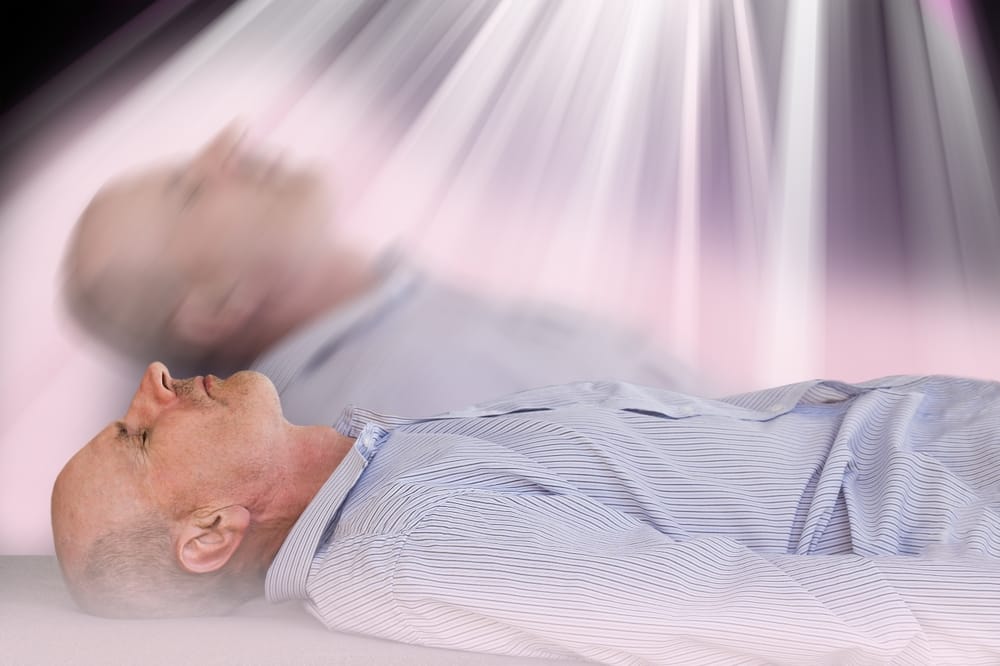
Cremation is also a widespread practice in Buddhism, however the emphasis is not on a permanent soul. Instead, it is about the perpetuation of awareness through rebirth cycles. Cremation honors the natural cycle and promotes the continuous journey of consciousness by acting as a ritual and a means of acknowledging the transience of life.
2. Putting faith above flesh
Because they believed in resurrection, Christians historically favored burial. As long as cremation does not negate the possibility of resurrection, it is now accepted by the majority of denominations.
According to Christian doctrine, the soul is judged by God after death and goes to either paradise, hell, or purgatory, which is a waiting state. The soul’s destiny is determined by one’s faith and relationship with God, not by the manner in which the body is handled, whether it is buried or burned.
3. Dignity and Respect
Islam forbids cremation completely. Burial is quick and straightforward, showing the respect shown to the body. Muslims hold that respecting the body is a spiritual obligation since the soul is linked to the body until the Day of Judgment.
4. Spiritual or secular viewpoints
Organized religion is not practiced by everyone. Cremation is viewed by many as a natural return to the ground. Some people envision the soul existing through memories, transitioning to an other dimension, or uniting with the cosmos.
Cremation is a practical or ecological decision rather than a spiritual one, according to those who believe that consciousness ends with death, such as humanists or scientists.
The Bottom Line
Cremation need not be frightening. It’s merely another method to commemorate life, provided that there are clear protocols, respect for the deceased, and knowledge of the customs and beliefs involved. And whether you’re religious, spiritual, or just pragmatic, you can find peace with the process and its outcome.
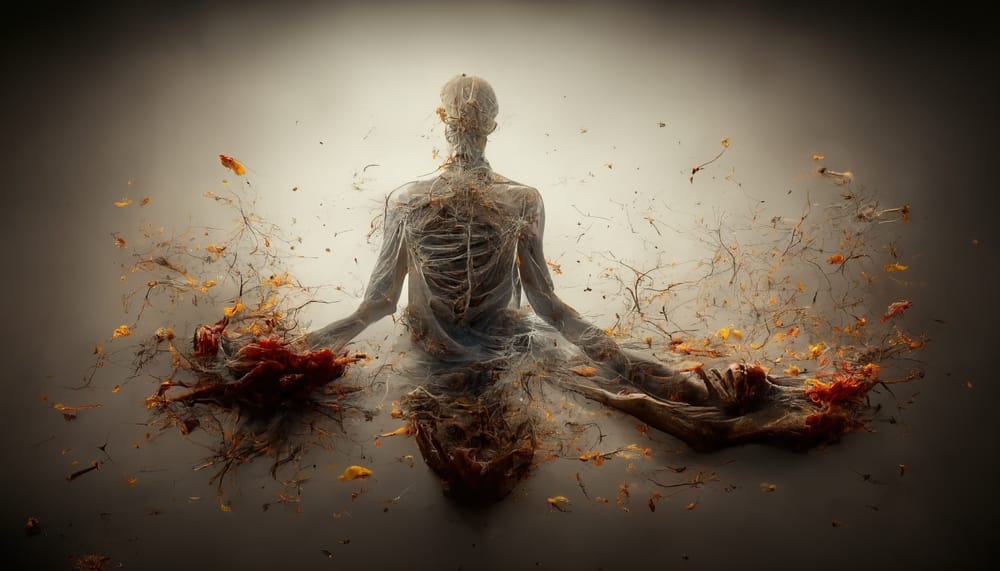
What do you believe happens to a person’s soul when they are cremated? Please feel free to remark with your opinions.