In many parts of the world, summer has finally arrived, bringing with it lots of sunshine, ice cream, and cool swimming pools. Even though swimming in the water is a very unique experience, it’s important to respect Mother Nature.
The most important thing when it comes to safety is information. Our ability to prevent possible catastrophes increases with our knowledge of the water and its ways.
Sadly, there is still a lot of work to be done since each year we see horrifying instances of people overestimating their skills, misunderstanding the sea’s unpredictability, and occasionally even being utterly ignorant of how risky it can be to go out into the waves.
Having said that, this post is not meant to cause unnecessary fear. Rather, it is a tool to spread awareness and make swimming safer for everyone this summer.
You should be aware of the risks, including rip currents, if you intend to swim in the ocean.
If you are trapped in one, they can be dangerous, draining, and incredibly terrifying, but there is a way out.
Why does a rip current occur?
It’s essential to educate yourself on rip current detection and what to do if you find yourself in one if you’re planning a beach day.
A rip current is a strong, narrow, concentrated stream of water that cuts straight through the lines of breaking waves and runs away from the shore.Even the strongest and most experienced swimmers could be carried far out to sea by these strong currents, which have amazing force.
The combination of waves, wind, and the particular shape of the beach are some of the components that usually combine to create rip currents.
Rip currents are most frequently seen in steeply sloping coastlines when waves crash near the shore. Waves drive water toward the shore when they break, accumulating water that then looks for a path to return to the ocean.

Identifying a rip current
It can be quite difficult to spot a rip current with the untrained eye. Before I started reading about them a few years ago, I had never really given them much thought.
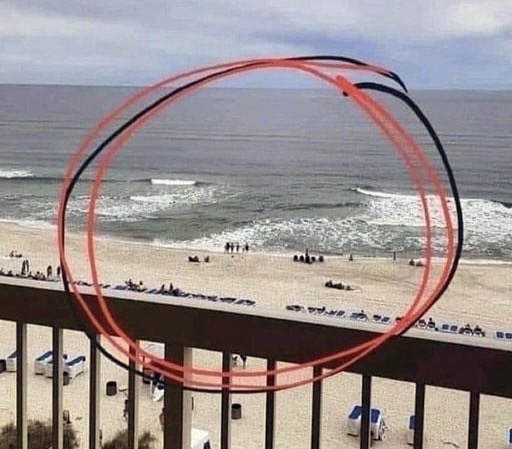
But there are a few indicators to watch out for. First, observe which way the waves are flowing. The waves should ideally be heading for the beach and breaking with a white, foamy crest close to the coast.
A rip current, on the other hand, can appear as a seemingly calm body of water in the middle of the busy beach, standing out sharply from the surroundings.
A rip current may appear to be the ideal place to get into the water, but to someone unfamiliar with the ocean, it can be mistaken for a tranquil, wave-free location. Avoid that region if you see the waves drifting out from the shore or the water beginning to split. It’s important that no one swims there, and please warn anyone who might be intending to enter the water or any areas that seem dangerous or connected to rip currents.
How to respond if you find yourself in a rip current
Even though we’ve covered the warning signs and indicators of rip currents, it can occasionally be very challenging to spot them. Rip current conditions can vary quickly, and warning signs might not always be obvious when standing on the beach or in the surf.
This is among the causes of the yearly occurrence of so many cases with fatal results. Untrained people, such as well-meaning parents or good Samaritans, have tragically lost many lives while attempting to perform a rescue.
However, keep in mind that there are steps you may take to save your life and the lives of others if you ever find yourself in a rip current.
1. First and foremost, it’s important to remain composed. Remember that you won’t be sucked under water, so don’t freak out.
2. Try shouting to passersby and waving your arms to indicate that you need assistance.
3. Keep in mind to swim parallel to the beach and stay afloat.
4. You will be dragged out to sea by a rip current, and resisting it will just exhaust you. You can be confident that the rip current’s hold will ultimately loosen if you are unable to swim parallel to the coast. Just be patient and wait for qualified experts to help you.
5. You can swim back toward the safety of the shoreline if you are able to escape the current. It’s crucial to keep in mind that you can effectively escape a rip current without being a skilled swimmer.
In brief
It is especially crucial to use caution when swimming now that summer has arrived. Important information about the present state of rip currents can be found on state websites; for example, Florida updates its beach conditions.
You may enjoy a day at the beach worry-free if you empower yourself with a little knowledge and take the necessary measures.
To help us make sure that everyone is ready to go swimming in the water, please share this post on social media with everyone you know.